
AI's Revolution in the Workforce
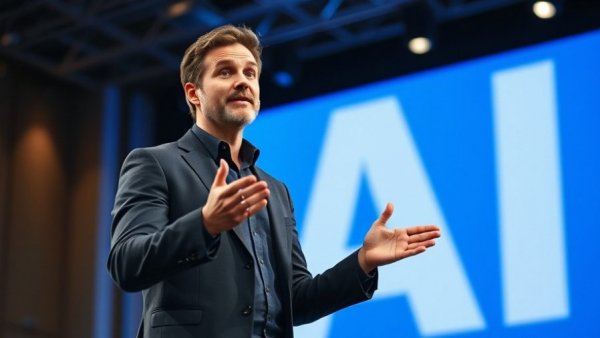
The future of work is undergoing a dramatic transformation as artificial intelligence (AI) takes on roles traditionally held by entry-level employees. Paul Roetzer, founder and CEO of SmarterX, recently challenged us to rethink the career ladder during his keynote at MAICON 2026. He pointed out that if AI had existed two decades ago, he might never have become a marketing professional, as many foundational tasks are now performed more efficiently by AI.
Emerging Roles: Who Leads the Future?
Roetzer outlined a new framework for roles in the workplace: the architect, the orchestrator, and the apprentice. The architect designs AI-driven workflows, the orchestrator manages both AI systems and human input, while the apprentice is equipped with guidance and mentorship, fostering intrinsic skills that AI cannot replicate. This shift raises pressing questions about who will fill leadership positions in the future if routine tasks are automated.
A Paradigm Shift in Skill Development
As AI takes over entry-level functionalities, organizations need to adapt how they cultivate talent. Training junior employees should focus on creative problem-solving, strategic thinking, and interpersonal skills—areas where human input is irreplaceable. Rather than simply using AI for efficiency, firms must contemplate how to integrate AI in nurturing their next generation of leaders.
Visibly Leading with AI
While AI can enhance productivity, it’s crucial for organizations to maintain visible leadership roles in decision-making processes. Understanding how leaders utilize AI is essential for apprentices looking to learn and grow. The visibility of AI’s role in work processes can demystify its implementation and promote better learning outcomes for newcomers.
Conclusion: Rethinking Growth Strategies
As AI continues to evolve, the workplace will demand new strategies for growth and leadership development. Organizations must embrace these changes and prioritize the investment in their human capital to foster innovative leaders for tomorrow.





Write A Comment